
Comparisons
How to Choose an Output Format for Compatibility, Quality, and Size
Choose a conversion target by balancing where the file must open, which details must survive, and how small the result genuinely needs to be.
Guides, format comparisons, and privacy explainers on private, browser-first file conversion.
Choose a conversion target by balancing where the file must open, which details must survive, and how small the result genuinely needs to be.
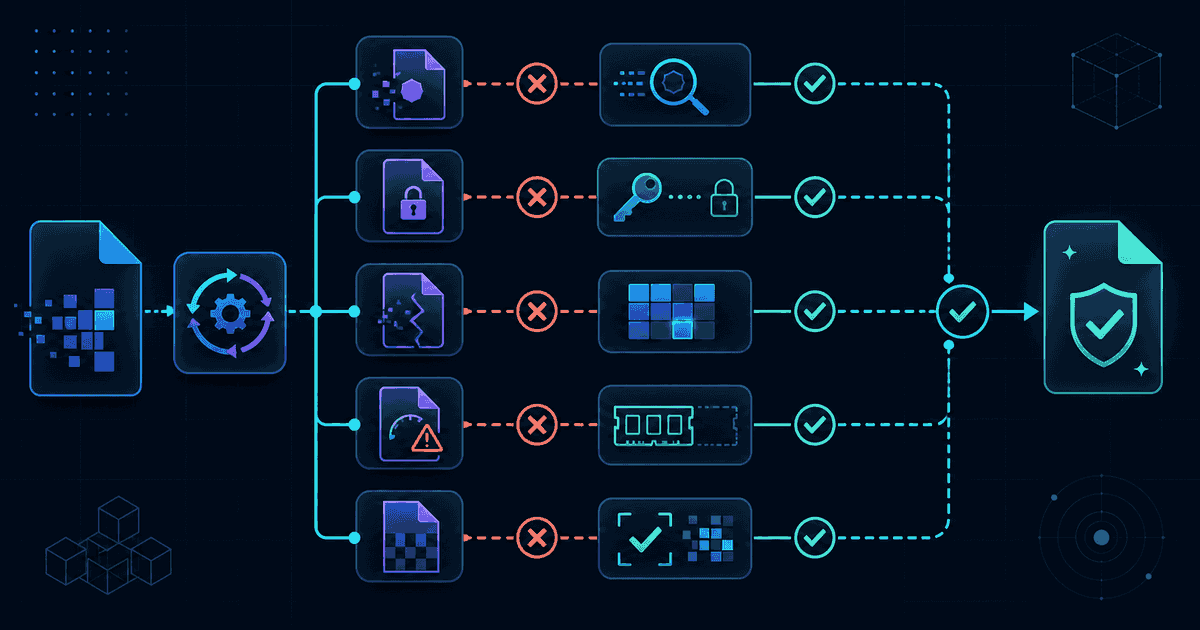
Diagnose unsupported inputs, corrupt containers, memory limits, codec failures, and outputs that validate but do not meet the destination's needs.
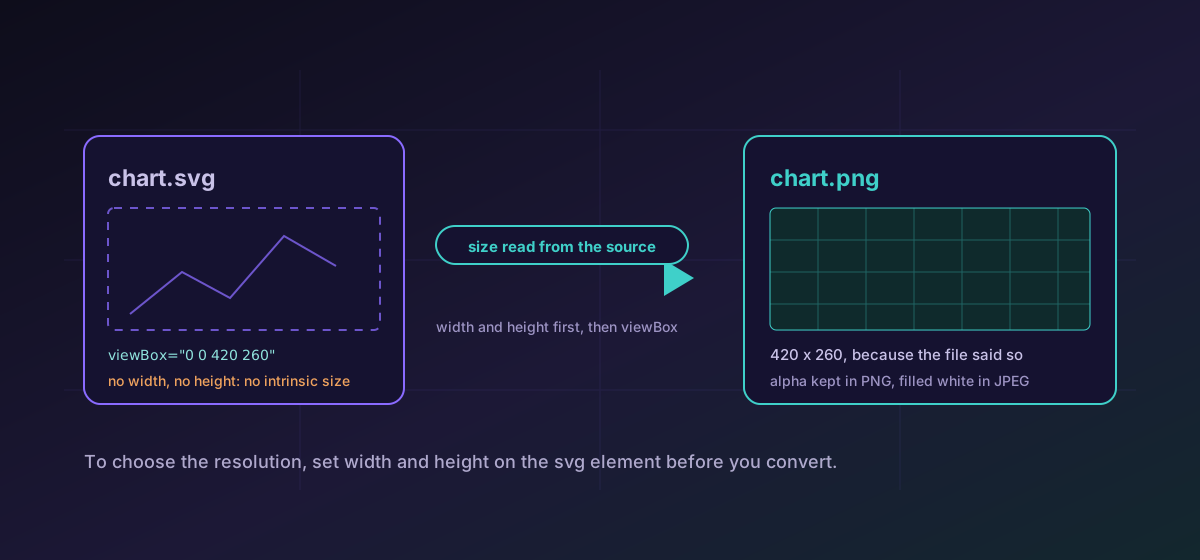
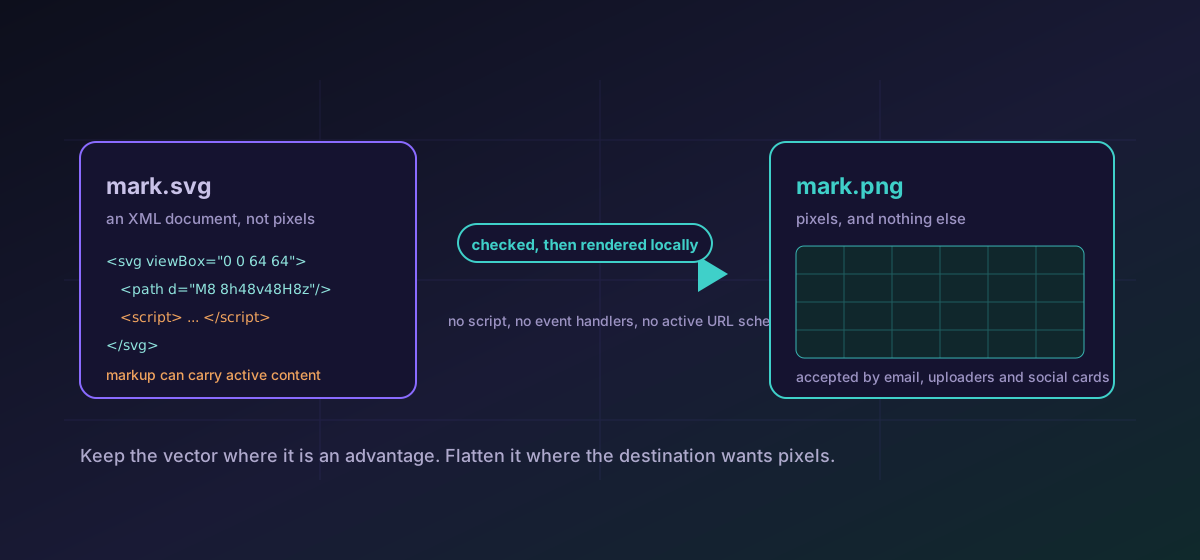
A vector drawing has no resolution until you give it one, and the number usually comes from the file itself. How to control the output size, transparency and format when flattening artwork.
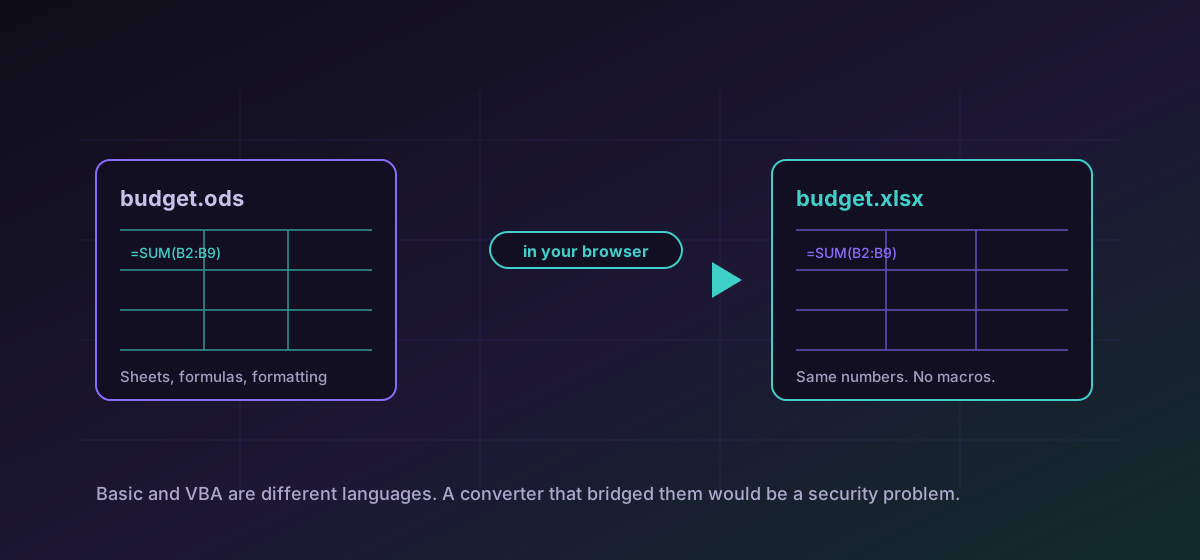
LibreOffice writes ODS, Excel writes XLSX, and both are ZIP archives of XML. Moving between them is routine; the places they disagree are worth knowing before a deadline.
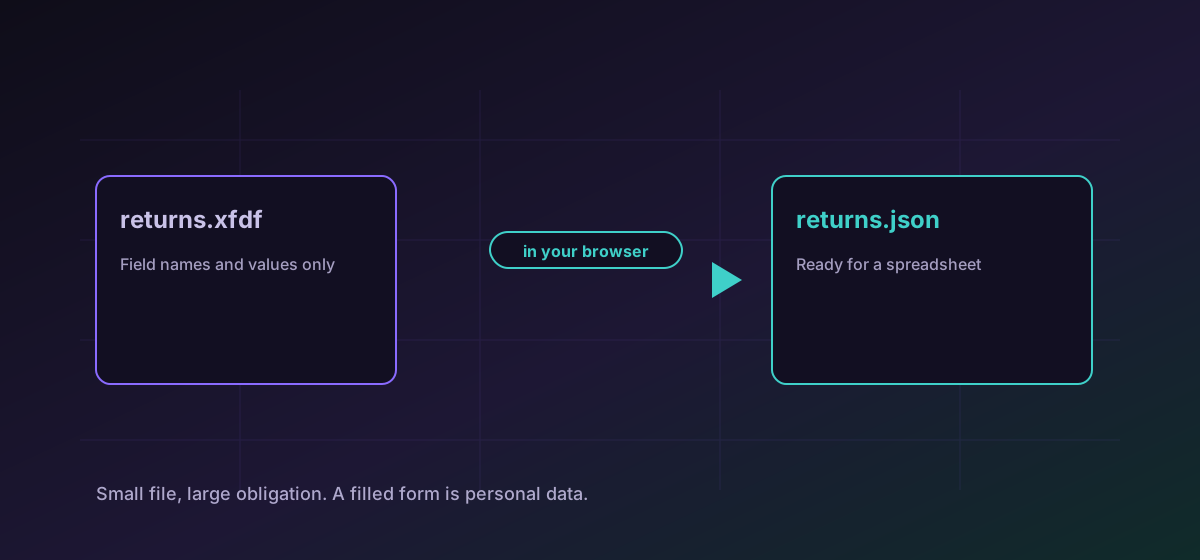
When someone returns a filled PDF form, the answers can travel as a small separate file instead of the whole document. What that file holds, and why it is more sensitive than it looks.
Amazon's formats, the open standard, and the one thing no converter can do for you. What travels between them, what reflows, and where DRM stops the conversation.
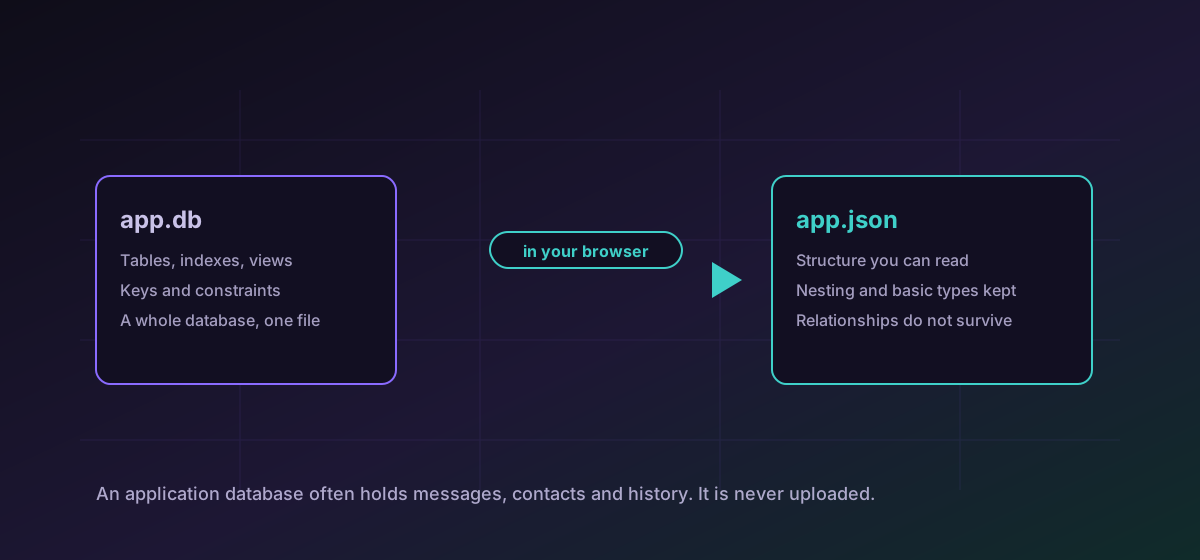
A .db from an application and a .dbf from 1995 are both self-contained databases sitting in a folder. How to look inside one, and what a flat export quietly discards.
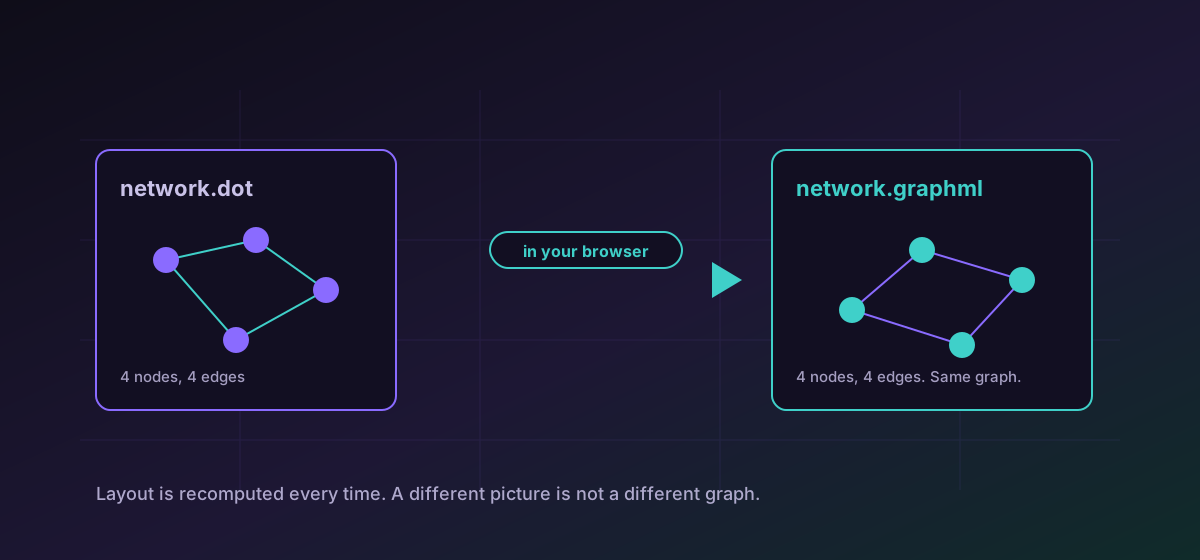
Graphs are nodes and edges, and every tool that analyses or draws them picked a different file format. What each one carries, and why layout almost never survives.
Feeds and playlists are lists of links with a little structure, and they are how you leave a platform without leaving your subscriptions behind. What each holds and how to move them.
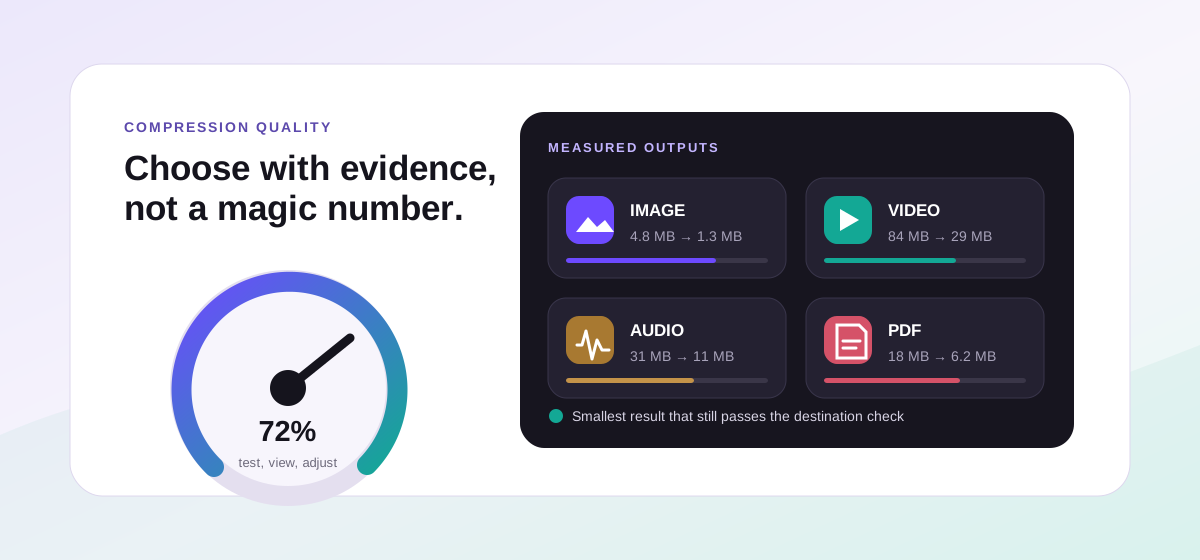
Choose practical image, video, audio, PDF, and package compression settings by starting with the destination, measuring the result, and checking visible quality.
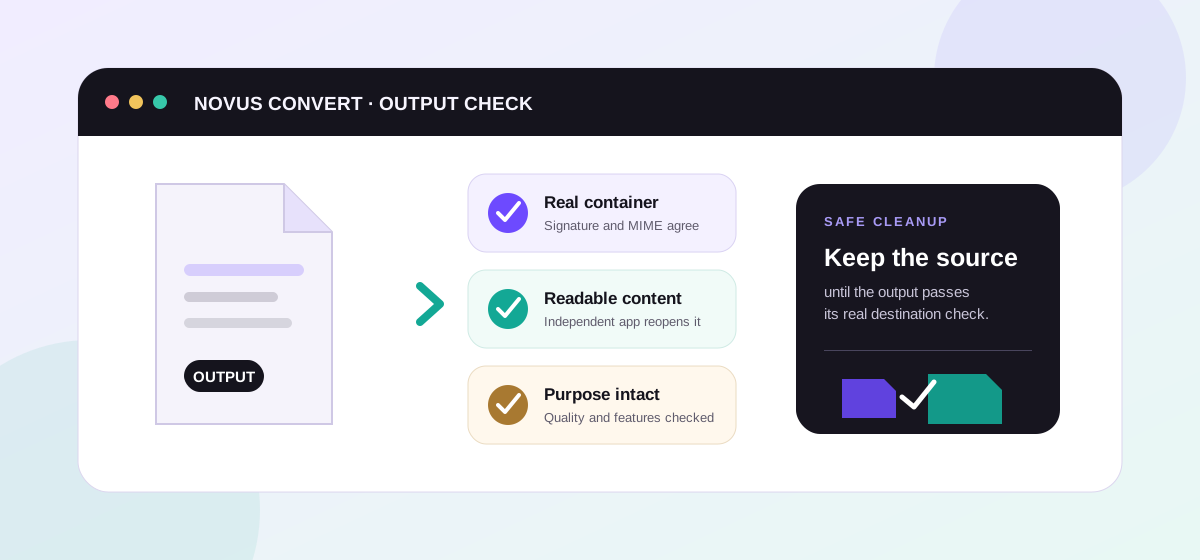
Use a practical post-conversion checklist for images, documents, media, archives, data, and 3D files, and learn what Novus Convert validates automatically.
An SVG is an XML document, not an image file, and that single difference decides where it belongs. When vector delivery wins, when it becomes a liability, and the security part nobody mentions.